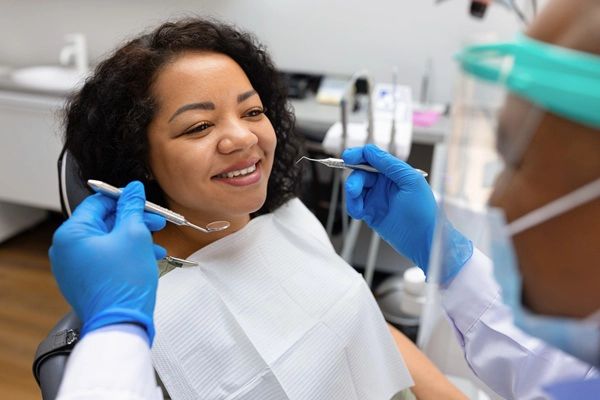
How a TMJ Dentist Can Help Treat Jaw Pain

Temporomandibular joint (TMJ) disorders can cause significant jaw pain and affect everyday functions like speaking, eating, and overall comfort. A TMJ dentist specializes in diagnosing and treating issues related to the jaw joint and surrounding solutions. These dental professionals offer effective solutions that address the root cause of your jaw pain.
Understanding TMJ disorders
The temporomandibular joint connects the lower jaw (mandible) to the skull, which allows patients to chew, speak, and open their mouth. TMJ disorders, also known as TMD, occur when this joint or the muscles surrounding it are weak or injured. Common symptoms include:
- Chronic jaw pain
- Facial pain
- Headaches or migraines
- Shoulder and neck pain
- Clicking or popping noises from the jaw
- Difficulty when opening or closing the mouth
- Limited jaw mobility
- Tinnitus (ringing in ears)
There is no singular cause of TMJ. It can result from a combination of factors. Common causes of TMJ include teeth grinding (bruxism), teeth misalignment (malocclusion), arthritis, jaw injuries, and stress-induced muscle tension. Bad habits like poor posture and chewing on pens can also exacerbate symptoms.
The importance of early jaw pain treatment
Seeking treatment from a TMJ dentist in its early stages can prevent the condition from worsening. Persistent jaw pain and untreated TMJ disorders can lead to complications, including chronic headaches, severe joint damage, and hearing issues. An early diagnosis and appropriate treatment allow patients to improve the overall quality of their life without the discomfort of jaw pain.
Diagnosis by a TMJ dentist
A TMJ dentist begins the diagnostic process with a thorough evaluation. This appointment typically includes reviewing the patient's medical history, a physical examination of the jaw, and asking about their symptoms. The dentist may assess the patient's jaw movement, listen for clicking sounds, and examine their teeth alignment. Additionally, they may utilize diagnostic imaging, such as X-rays, CT scans, or MRIs, to understand the joint's condition.
An accurate diagnosis is an essential part of the treatment process. It allows the TMJ dentist to develop a treatment plan tailored to the patient's unique situation and oral anatomy. It ensures that the dentist is able to identify the underlying cause of the jaw pain to reduce the risk of recurring or worsening symptoms.
Treatment options from a TMJ dentist
TMJ dentists offer a variety of treatment options. They range from non-invasive methods to surgical treatments. Some non-invasive treatments include:
- Oral appliances: Custom mouthguards or splints can help alleviate pressure on the jaw joint and prevent teeth grinding during sleep.
- Physical therapy: Exercises designed to stretch and strengthen jaw muscles around the joints and improve flexibility can help reduce pain and restore function.
- Medications: A TMJ dentist can prescribe anti-inflammatory drugs, muscle relaxants, or other medications to manage pain and reduce inflammation.
In severe cases, surgical interventions such as arthroscopy or open-joint surgery may be necessary. This type of procedure is typically considered after conservative treatments have failed to provide effective jaw pain relief.
Call our office to schedule an appointment
Consulting a TMJ dentist can diagnose and treat the root cause of your jaw pain, improving the overall quality of your life. The Buhite & Buhite DDS is here to help you feel better. Call our Rochester office to learn more about our TMJ treatment options or to schedule an appointment.
Request an appointment here: https://www.buhite.com or call Buhite & Buhite DDS at (585) 310-4078 for an appointment in our Rochester office.
Check out what others are saying about our dental services on Yelp: TMJ Dentist in Rochester, NY.
Related Posts
TMJ treatment from a general dentist fosters relief for individuals who experience jaw discomfort, clicking sounds, and restricted movement in the temporomandibular joints (TMJs). These joints, located on each side of the face, allow essential motions such as chewing and speaking. When the joint or surrounding muscles become inflamed, misaligned, or stressed, everyday tasks may…
Minor chips, cracks, and gaps in the smile do not have to be permanent. Dental bonding is a quick yet durable way to repair teeth with these cosmetic imperfections. With natural-looking results and minimal preparation, bonding can support oral health and restore the smile to its prior radiance.Dental bonding is a cosmetic procedure in which…
A dental filling is a common restorative treatment that protects a tooth from further decay. While recovering after the procedure is straightforward, one of the first questions patients ask is when they can safely resume eating. It is important to protect your smile and ensure the restoration cures without causing accidental injury. Understanding the timeline…
An emergency dentist can quickly relieve tooth pain and determine the cause of the discomfort before the problem becomes more serious. A toothache may begin as mild sensitivity, but it can quickly become sharp, throbbing, or constant. Pain in a tooth often signals that something needs professional attention, whether the cause is decay, infection, damage,…